You have made the investment in a reverse osmosis system and enjoyed the benefits of pure, great-tasting water straight from your kitchen tap. You have saved money on bottled water and gained peace of mind knowing that your family is drinking water free from contaminants. Then, gradually, you notice a change. The water does not taste quite as fresh as it used to. The flow from the dedicated tap seems slower. Perhaps you notice a slight odour that was not there before.
These are the warning signs that your RO system needs attention. Like any filtration system, a reverse osmosis unit requires regular maintenance to continue performing at its best. The filters and membrane do not last forever. They become saturated with the contaminants they have removed, and their effectiveness diminishes over time. Neglecting maintenance does not just compromise the quality of your water. It can also damage the system itself, leading to costly repairs or premature replacement.
Understanding when and how to maintain your RO system is essential for protecting your investment and ensuring that your water remains as pure as the day you installed the system.
Why Maintenance Matters
A reverse osmosis system is a precision piece of equipment. It relies on the proper functioning of each component to produce water of exceptional purity. When one component fails or becomes saturated, the entire system is compromised.
The pre-filters are the first line of defence. They remove sediment and chlorine that would otherwise damage the RO membrane. When these filters become clogged or saturated, they can no longer protect the membrane. Sediment passes through to the membrane, clogging its pores and reducing its effectiveness. Chlorine passes through, oxidising and degrading the membrane material.
The RO membrane itself is the heart of the system. When it becomes fouled or damaged, it can no longer effectively reject contaminants. Dissolved solids pass through, increasing the Total Dissolved Solids of your drinking water. The quality of your water declines, and you are no longer receiving the protection you thought you had.
The post-filter provides the final polish, removing any remaining tastes or odours. When it becomes saturated, it can no longer perform this function, and your water may taste flat or unpleasant.
Regular maintenance ensures that each component is replaced before it fails, keeping your system operating at peak performance and protecting your family’s health.
The Replacement Schedule
The replacement schedule for your RO system depends on several factors, including the quality of your incoming water, the amount of water you use, and the specific system you have installed. However, there are general guidelines that apply to most systems.
Pre-Filters
The sediment pre-filter and carbon pre-filter should be replaced every six to twelve months. In areas with poor water quality or high sediment levels, more frequent replacement may be necessary. In areas with excellent water quality, the filters may last closer to twelve months.
The sediment filter will gradually become clogged with the particles it has removed. As it becomes clogged, the flow of water through the system slows, reducing the amount of purified water available. The carbon filter becomes saturated with chlorine and volatile organic compounds, reaching a point where it can no longer absorb anything new.
Replacing the pre-filters on schedule is the single most important maintenance task you can perform. It protects the RO membrane and ensures that your system continues to perform effectively.
The RO Membrane
The RO membrane should be replaced every two to three years. The membrane is the most expensive component of the system, but it is also the most critical. Replacing it on schedule ensures that your system continues to remove the vast majority of dissolved contaminants.
The lifespan of the membrane depends on the quality of your incoming water and the effectiveness of your pre-filters. If the pre-filters are replaced on schedule, the membrane will last longer. If they are neglected, the membrane may fail prematurely.
The Post-Filter
The post-carbon filter should be replaced every six to twelve months, at the same time as the pre-filters. The post-filter provides the final polish to your water, and when it becomes saturated, it can no longer remove tastes and odours effectively.
Signs That Your System Needs Attention
While following a regular replacement schedule is the best approach, there are also warning signs that indicate your system needs attention sooner than scheduled.
Decreased Water Flow
If the flow from your dedicated tap has slowed noticeably, it is likely that the sediment pre-filter is becoming clogged. The filter is trapping particles, and as it becomes full, it restricts the flow of water through the system. Replacing the sediment filter will restore normal flow.
Changes in Taste or Odour
If your water develops an unpleasant taste or odour, it may be that the carbon pre-filter or post-filter is saturated. The carbon can no longer remove the chlorine and volatile organic compounds that affect taste and odour. Replacing the filters will restore the fresh, clean taste of your water.
Increased TDS
If you have a TDS meter, you can measure the Total Dissolved Solids of your water. A significant increase in TDS indicates that the RO membrane is no longer effectively rejecting contaminants. The membrane may be fouled or damaged and needs to be replaced.
Visible Contamination
If you notice particles or discolouration in your water, the sediment filter may be failing or the membrane may be compromised. This requires immediate attention.
Unusual Noises
If your system makes unusual noises, such as gurgling or hissing, it may indicate a problem with the storage tank or the air pressure within it.
How to Replace Filters and Membranes
Replacing the filters and membrane in your RO system is a straightforward process that most homeowners can perform themselves. However, it is important to follow the manufacturer’s instructions carefully.
Preparing for Replacement
Before you begin, turn off the water supply to the system and release the pressure by opening the dedicated tap. Have a towel or bucket ready to catch any water that may spill during the process.
Replacing the Pre-Filters
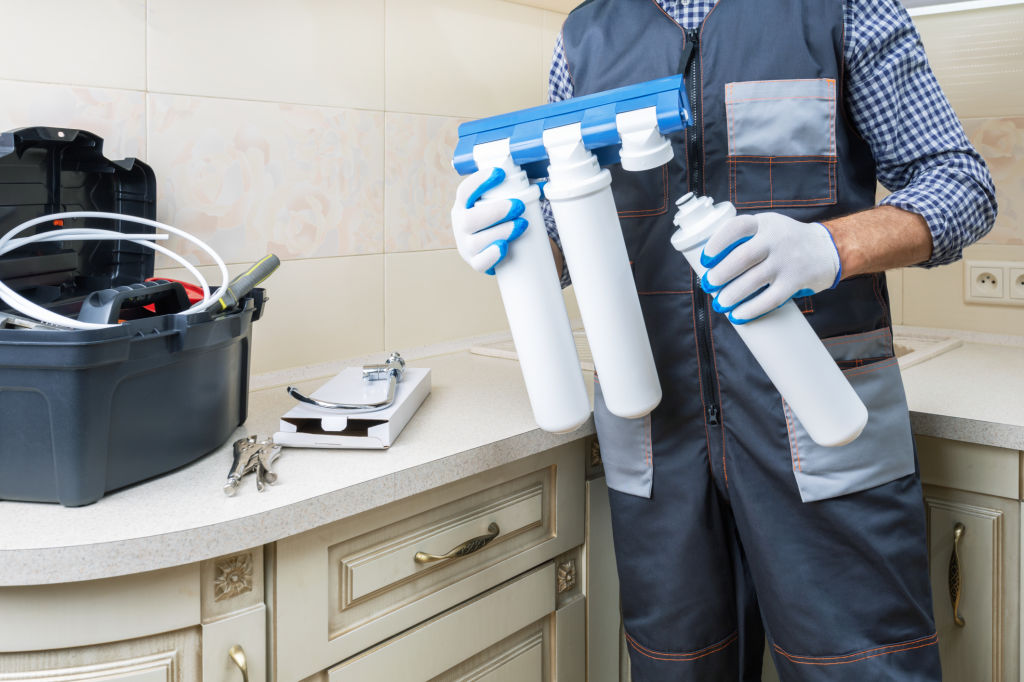
The pre-filters are typically housed in canisters that are unscrewed from the filter head. Use a filter wrench if necessary to loosen the canisters. Remove the old filters and discard them. Rinse the canisters with clean water to remove any sediment or debris. Insert the new filters, ensuring they are seated correctly, and screw the canisters back into place.
Replacing the Post-Filter
The post-filter is usually located after the storage tank and is replaced in the same manner as the pre-filters. Unscrew the canister, remove the old filter, insert the new filter, and replace the canister.
Replacing the RO Membrane
Replacing the RO membrane is slightly more involved. The membrane is housed in a membrane housing, which is usually mounted horizontally. Remove the housing and slide out the old membrane. Insert the new membrane, ensuring it is oriented correctly, and replace the housing.
Flushing the System
After replacing the filters and membrane, it is important to flush the system to remove any loose carbon particles or manufacturing residues. Turn the water supply back on and allow the system to run for several minutes, discarding the water. Depending on the system, you may need to discard the first one or two tanks of water.
Sanitising the System
In addition to replacing filters and membranes, it is recommended to sanitise your RO system periodically. This helps to prevent bacterial growth and ensures that your water remains safe and fresh.
Sanitising involves using a food-grade sanitising solution to clean the system’s components, including the storage tank and the tubing. Follow the manufacturer’s instructions for the specific sanitising procedure for your system.
The Role of Professional Service
While replacing filters and membranes is a task that many homeowners can perform, there are benefits to having your system professionally serviced. A professional technician has the experience and tools to perform a thorough inspection and maintenance of your system.
A professional service may include checking the air pressure in the storage tank, inspecting the tubing and fittings for leaks, testing the water quality, and ensuring that the system is operating at peak efficiency. For those who are not comfortable performing maintenance themselves, professional service provides peace of mind.
Common Mistakes to Avoid
Neglecting maintenance is the most common mistake, but there are others that can compromise your system’s performance.
Using Generic Filters
Always use genuine replacement filters from the manufacturer or from a reputable source. Generic filters may not fit properly or may use lower-quality media that reduces performance.
Overtightening Canisters
When replacing the canisters, tighten them firmly but do not overtighten. Overtightening can damage the O-rings and cause leaks.
Forgetting the O-Rings
The O-rings in the canisters and membrane housing should be lubricated with food-grade silicone grease when replacing filters. This ensures a proper seal and prevents leaks.
Not Flushing the System
Always flush the system after replacing filters and membranes. This removes loose particles and ensures that the water is safe to drink.
Ignoring Warning Signs
Do not ignore the warning signs that your system needs maintenance. Addressing issues early prevents more serious problems and protects your investment.
The Cost of Maintenance
The cost of maintaining an RO system is modest compared to the benefits it provides. Replacement filters typically cost between thirty and fifty pounds per year, and the membrane costs between sixty and eighty pounds every two to three years.
These costs are a small price to pay for the assurance that your family is drinking pure, safe water. Compare this to the cost of bottled water, and the value of regular maintenance becomes even clearer.
In Conclusion
Regular maintenance is essential for keeping your reverse osmosis system performing at its best. Replacing pre-filters every six to twelve months, the post-filter at the same interval, and the RO membrane every two to three years ensures that your water remains pure, fresh, and safe.
Pay attention to the warning signs that your system needs attention, including decreased water flow, changes in taste or odour, and increased TDS. Address these issues promptly to prevent more serious problems.
With proper maintenance, your RO system will provide years of reliable service, delivering the pure, great-tasting water that you and your family deserve.
Looking for some of the best Reverse Osmosis Membranes and Housing Kits in UK?